
Few holidays change the way you see the world like a vacation Africa safari. Imagine waking to the sound of birdsong over a golden savanna, watching elephants cross a river at dusk, or sitting quietly as a lion pride rests in the shade of an acacia tree. Africa offers wildlife encounters, landscapes and cultures that stay with you for life. This guide explains what a safari vacation involves, the best destinations, the types of safari available, when to go, how to budget and how to plan a trip that is comfortable, responsible and unforgettable.
What Is an Africa Safari Vacation?
The word “safari” comes from the Swahili word for journey. Today it describes a trip focused on observing wildlife and nature in its natural habitat, usually in national parks, game reserves and conservancies. A vacation Africa safari can be a few days or several weeks, and it can be adventurous, relaxing, family-friendly or luxurious.
Most safaris combine a few core elements:
- Game drives in open or covered vehicles led by experienced guides
- Comfortable accommodation, from tented camps to boutique lodges
- Optional activities such as walking safaris, boat trips, hot air balloon flights and cultural visits
- Time to unwind, with sunset views, good food and star-filled skies
The appeal lies in the variety. Africa is a continent, not a single destination, and each region offers a different kind of safari.
Top Destinations for Africa Safari Vacations
Kenya
Kenya is a classic safari country. The Maasai Mara is famous for its big cats and, between roughly July and October, the Great Migration, when huge herds of wildebeest and zebra cross the plains. Amboseli offers elephants beneath Mount Kilimanjaro, while Laikipia and Samburu provide quieter, less visited landscapes.
Tanzania
Tanzania’s Serengeti is among the world’s most celebrated wildlife regions. The Ngorongoro Crater, a vast volcanic caldera, supports a dense concentration of animals in a single scenic bowl. Tarangire is known for its elephants and baobab trees, and the southern parks of Ruaha and Nyerere offer remote, uncrowded safaris.
South Africa
South Africa combines wildlife with excellent infrastructure. Kruger National Park and the private reserves around it offer reliable Big Five sightings and a wide range of price points. Self-drive safaris are popular here, and the country pairs easily with Cape Town, the Garden Route and wine regions.
Botswana
Botswana focuses on low-impact, high-quality safaris. The Okavango Delta, a vast inland water system, allows traditional boat-like mokoro excursions and walking safaris. Chobe National Park is renowned for large elephant herds, and the Kalahari offers desert landscapes and unique wildlife.
Namibia
Namibia offers dramatic scenery, including towering dunes, desolate coastlines and Etosha National Park, where animals gather around waterholes in the dry season. It suits independent travelers and photographers.
Uganda and Rwanda
These countries are known for mountain gorilla trekking and chimpanzee tracking. Uganda also offers savanna wildlife in Queen Elizabeth National Park, and both combine primates with scenic highland landscapes.
Zambia and Zimbabwe
Zambia’s South Luangwa is celebrated for walking safaris and leopard sightings, while Zimbabwe’s Hwange National Park and Victoria Falls provide wildlife and spectacular scenery in one trip.
Types of Safari Experiences
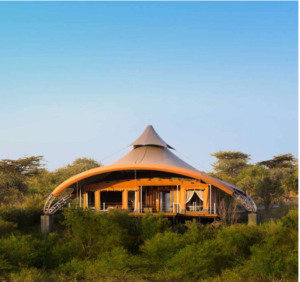
Choosing the right style shapes your whole vacation.
- Classic game drive safari. The traditional approach, ideal for first-timers who want to see the Big Five: lion, leopard, elephant, buffalo and rhino.
- Walking safari. Led by armed guides, walking safaris reveal the small details of the bush, such as tracks, insects and plants.
- Fly-in safari. Light aircraft link remote camps, saving time on long drives and offering aerial views.
- Self-drive safari. Popular in South Africa and Namibia, this suits confident, independent travelers.
- Family safari. Many lodges offer child-friendly programs, shorter game drives and activities designed for younger travelers.
- Luxury safari. Private villas, gourmet dining, spa treatments and exclusive guiding for a high-end holiday.
- Budget and camping safari. Group tours and mobile camps keep costs down while still delivering excellent wildlife viewing.
- Primate safari. Focused on gorillas and chimpanzees in the forests of East and Central Africa.
Best Time to Go on Safari
Timing depends on the country and what you want to see. In general, the dry season is best for wildlife viewing because animals gather near water and the vegetation is thinner.
- East Africa (Kenya and Tanzania): June to October is the main dry season and includes the peak migration period. January and February also offer good game viewing, especially in the southern Serengeti.
- Southern Africa (Botswana, Zambia, Zimbabwe, Namibia, South Africa): May to October is the dry season, with excellent viewing in the cooler months.
- Gorilla trekking in Uganda and Rwanda: Year-round, with the drier months making trails easier.
The green or wet season has its own rewards: fewer visitors, lower prices, newborn animals and lush scenery. It can be a smart choice for budget-conscious or photography-focused travelers.
What to Pack
- Neutral-colored, lightweight clothing in khaki, olive or tan
- Warm layers for early morning and evening drives
- A wide-brimmed hat, sunglasses and high-SPF sunscreen
- Comfortable closed shoes or light hiking boots
- Binoculars and a camera with a good zoom lens
- Insect repellent and any recommended medication
- A power bank and universal adapter
- Soft-sided luggage, which is easier to carry on light aircraft
Check weight limits if you are taking small aircraft, since they are often strict.
Budgeting for Your Safari Vacation
Costs vary widely depending on the country, season and style of travel. The main expenses include:
- Accommodation. Camps and lodges range from simple to extremely luxurious.
- Park fees. National park and conservation fees are usually charged per person per day.
- Transport. International flights, domestic flights and vehicle hire or transfers.
- Activities. Balloon rides, walking safaris and cultural visits are often extra.
- Tips and extras. Guides, trackers and camp staff rely on gratuities.
Budget safaris in parts of East and Southern Africa can be surprisingly affordable, while high-end fly-in trips cost considerably more. Always request a clear breakdown from your operator and confirm current rates.
Health, Safety and Practical Planning
- Vaccinations and malaria. Consult a travel health professional well before departure, since requirements vary by country.
- Travel insurance. Choose a policy that covers medical care and evacuation.
- Documents. Check passport validity, visa requirements and entry rules for each country.
- Safety. Safaris are generally safe when you follow guide instructions, stay inside vehicles where instructed and never approach wildlife.
- Booking early. The best camps and gorilla permits fill up months in advance, especially for peak seasons.
Working with a reputable, locally knowledgeable operator makes planning easier and often improves the quality of your trip.
Responsible and Sustainable Safari Travel
Safari tourism supports conservation and local livelihoods when done well. To travel responsibly:
- Choose lodges and operators that employ and train local people.
- Respect wildlife viewing guidelines and never encourage guides to crowd animals.
- Reduce plastic waste and conserve water and energy at camps.
- Support community-run conservancies and buy crafts directly from local artisans.
- Tip fairly and treat staff with respect.
Your visit helps fund anti-poaching efforts, habitat protection and community projects, giving people a direct reason to protect wildlife.
Key Takeaways
- A vacation Africa safari can be tailored to many styles, from budget camping to luxury lodges.
- Kenya, Tanzania, South Africa, Botswana, Namibia, Uganda and Rwanda are among the most popular destinations.
- The dry season generally offers the best wildlife viewing, while the green season brings lower prices and fewer crowds.
- Classic game drives, walking safaris, fly-in trips and primate treks each offer a different experience.
- Light, neutral clothing, layers, binoculars and soft luggage are essential packing items.
- Plan early, check health and entry requirements and choose a reputable operator.
- Responsible travel helps protect wildlife and supports local communities.
Conclusion
A vacation Africa safari is more than a holiday. It is a chance to witness nature on a grand scale, to slow down and to connect with landscapes and wildlife that feel timeless. Whether you dream of the Serengeti plains, the Okavango Delta, the red dunes of Namibia or a quiet hour with mountain gorillas, there is a safari to match your interests, budget and pace. With thoughtful planning, the right timing and a commitment to responsible travel, your trip can be both unforgettable and beneficial to the places you visit. Start planning early, stay curious and let Africa surprise you.
Frequently Asked Questions
- What is the best month for an Africa safari vacation?
It depends on the destination. June to October is generally excellent for East and Southern Africa, with the dry season concentrating wildlife around water sources. - How many days do I need for a safari?
A minimum of five to seven days lets you enjoy one or two parks without rushing. Ten to fourteen days allows you to combine multiple destinations or add a beach or city stay. - Which country is best for a first safari?
Kenya, Tanzania and South Africa are popular choices thanks to their wildlife variety, infrastructure and range of accommodation options. - Is an Africa safari safe?
Yes, when you travel with reputable operators and follow your guide’s instructions. Stay in vehicles during game drives, keep your distance from animals and follow health and travel advice. - How much does a safari vacation cost?
Prices range from budget camping tours to high-end luxury lodges. Costs depend on destination, season, accommodation and activities, so request detailed quotes and confirm current rates. - Do I need vaccinations or malaria tablets?
Requirements vary by country and region. Speak to a travel health clinic well before departure for personalized advice. - Are safaris suitable for children?
Many are. Some lodges set minimum ages for game drives or offer family-friendly programs, so check policies when booking. - What are the Big Five?
The Big Five are lion, leopard, elephant, buffalo and rhino. The term originally referred to the most dangerous animals to hunt on foot and is now a popular wildlife-watching goal. - Can I combine a safari with a beach holiday?
Absolutely. Popular combinations include Tanzania with Zanzibar, Kenya with the coast, and South Africa with Cape Town or Mozambique’s beaches. - How far in advance should I book?
Book six to twelve months ahead for peak season, and earlier for gorilla permits, popular lodges and migration-season stays.