
Africa’s wild heart beats strongest in Tanzania, where vast wilderness areas stretch beyond the horizon and wildlife roams in numbers that stagger the imagination. A Tanzania safari offers more than just animal sightings—it provides a profound connection to nature’s rhythms, ancient landscapes, and ecosystems functioning as they have for millions of years. This remarkable destination continues to captivate travelers seeking authentic encounters with the natural world.
Why Tanzania Stands Apart
Tanzania distinguishes itself among African safari destinations through sheer scale and diversity. The country encompasses some of the continent’s most iconic protected areas, each offering distinct characteristics and wildlife experiences. Unlike smaller reserves where boundaries limit animal movement, Tanzania’s expansive parks allow natural migration patterns to continue uninterrupted, creating dynamic ecosystems that shift with seasons and rainfall.
The nation’s geography spans coastal plains, volcanic highlands, ancient rift valleys, and seemingly endless savannas. This topographical variety creates habitat mosaics supporting an extraordinary range of species. From mountain forests where rare primates swing through canopies to open grasslands where predators stalk their prey, Tanzania presents the full spectrum of African wilderness.
Infrastructure development has progressed thoughtfully, balancing accessibility with conservation priorities. Paved roads connect major airports to park gates, while within reserves, tracks remain deliberately primitive to minimize environmental impact. This careful approach ensures that Tanzania safari experiences retain authenticity while providing comfort and safety.
Iconic Parks That Define Tanzania Safari
Serengeti: Where the Earth Moves
The Serengeti captures imaginations like few places on Earth. This wilderness, whose name means “endless plains” in the Maasai language, lives up to its designation. Horizon-to-horizon grasslands create landscapes of hypnotic beauty, punctuated by granite outcrops and acacia silhouettes.
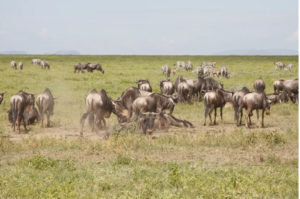
The annual wildebeest migration stands as nature’s most impressive spectacle. This circular journey covers approximately 800 kilometers as herds follow rainfall patterns and fresh grazing. The movement involves not just wildebeest but zebras, gazelles, and elands, creating mega-herds visible from satellite imagery. Predators shadow this bounty, with river crossings providing dramatic confrontations between migrating herbivores and waiting crocodiles.
Yet the Serengeti rewards visitors throughout the year, not just during migration peaks. Resident wildlife populations remain substantial even when herds move elsewhere. The western corridor offers excellent crocodile viewing, while the central Seronera region provides reliable predator sightings year-round. Northern Serengeti features rolling hills and dramatic landscapes distinct from southern plains.
Ngorongoro: The Eighth Wonder
Ngorongoro Crater represents a geological marvel transformed into a wildlife paradise. Formed when a massive volcano collapsed approximately three million years ago, the crater creates a natural enclosure where ecosystems function in remarkable concentration. The crater floor spans 260 square kilometers, supporting grasslands, swamps, forests, and a permanent soda lake.
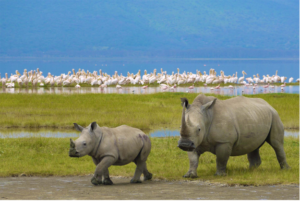
Wildlife density within Ngorongoro exceeds virtually any other location in Africa. Morning game drives frequently produce sightings of twenty different species before lunch. The crater supports Africa’s densest predator populations, with lions particularly abundant. Black rhinoceros, critically endangered elsewhere, maintain a small but stable population here under intensive protection.
The crater rim rises 600 meters above the floor, creating microclimates that support montane forests harboring different species than those below. These highlands receive substantial rainfall, often shrouded in mist that adds mystique to the landscape. Cultural sites within the conservation area, including Olduvai Gorge where early human ancestors walked, connect natural history with human evolution.
Tarangire: Giants Among Baobabs
Tarangire National Park delivers intimate Tanzania safari experiences characterized by unique landscapes and exceptional elephant viewing. The Tarangire River provides the only permanent water source across a vast area, concentrating wildlife during dry months in densities rivaling anywhere in East Africa.
Elephants define Tarangire’s character. Herds numbering hundreds of individuals gather along riverbanks, creating scenes of gentle giants moving through ancient landscapes. The park’s population includes many large bulls with impressive tusks, individuals pushed from more populated areas who find sanctuary here.
Baobab trees dominate the scenery, their swollen trunks and twisted branches creating otherworldly silhouettes. These trees live for centuries, some possibly over 1,000 years old, serving as silent witnesses to countless wildlife generations. Their hollow trunks provide shelter for numerous species while their seasonal flowers attract pollinators and their fruit feeds animals during lean periods.
Lake Manyara: Compact Gem
Lake Manyara National Park proves that exceptional Tanzania safari experiences don’t require vast areas. This compact park packs remarkable diversity into approximately 330 square kilometers, with the alkaline lake itself dominating the landscape during high water periods.
The park gained fame for tree-climbing lions, an unusual behavior observed consistently here though not fully understood. Groundwater forests create lush canopy environments contrasting sharply with surrounding dry savannas. These forests support elephants, giraffes, buffalo, and abundant primates including baboons and blue monkeys.
The lake’s alkalinity supports specialized algae that feeds flamingo populations, sometimes numbering hundreds of thousands. Over 400 bird species have been recorded, making Manyara exceptional for ornithological enthusiasts. Hippo pools along permanent streams provide reliable sightings of these aquatic giants.
Crafting Your Tanzania Safari Experience
Modern Tanzania safari options accommodate virtually any preference, budget, and physical ability level. Traditional game drives remain the foundation of most itineraries, conducted in specially modified vehicles with pop-up roofs allowing 360-degree viewing and photography. These vehicles seat six to eight passengers, though private vehicles offer flexibility for personalized experiences.
Walking safaris add visceral dimensions impossible from vehicles. Accompanied by armed rangers and professional guides, small groups explore on foot, learning tracking skills, identifying plants, and understanding ecosystem interconnections. The pace allows appreciation of details overlooked from vehicles—intricate insect behaviors, medicinal plants, animal spoor telling stories of recent passages.
Night drives reveal entirely different wildlife communities. Nocturnal predators including leopards, servals, and genets emerge after dark, along with rarely seen species like aardvarks and porcupines. Spotlight beams illuminate eyeshine, creating eerie atmospheres as guides interpret sounds echoing through darkness.
Hot air balloon safaris present aerial perspectives unmatched by ground-based activities. Dawn launches lift passengers silently above awakening landscapes, drifting with winds over wildlife herds. The peace of floating contrasts with the drama unfolding below as predators hunt and herds move across endless plains.
Understanding Seasonal Dynamics
Tanzania safari experiences vary significantly across seasons, each period offering distinct advantages. The dry season spanning June through October provides optimal wildlife viewing as animals concentrate around permanent water sources. Reduced vegetation improves visibility while dusty conditions create atmospheric photography opportunities with dramatic side-lighting.
November marks the short rains, transforming parched landscapes virtually overnight. Grass shoots emerge, flowering plants bloom, and migratory birds arrive from Europe and Asia. The Serengeti herds move southward toward the Ngorongoro Conservation Area, anticipating long rains that typically arrive in March.
January through March represents calving season on the southern Serengeti plains. Approximately 8,000 wildebeest calves are born daily during peak periods, attracting predators from across the ecosystem. This concentration creates dramatic predation opportunities rarely witnessed elsewhere.
April and May bring heavy rains that transform roads into challenging tracks. Many camps close during this period, and some areas become inaccessible. However, adventurous travelers willing to navigate wet season challenges find spectacular light, lush landscapes, and solitude unimaginable during peak months.
Practical Considerations for Success
Successful Tanzania safari planning requires attention to logistics, health requirements, and realistic expectations. Most international visitors arrive through Kilimanjaro International Airport serving the northern safari circuit or Julius Nyerere International Airport in Dar es Salaam for southern parks.
Domestic flight networks connect efficiently between parks, though these small aircraft have strict luggage limitations, typically 15 kilograms in soft-sided bags. Road transfers between northern circuit parks remain viable alternatives, offering landscape appreciation impossible from aircraft but requiring longer travel times.
Health preparations should begin months before departure. Yellow fever vaccination is required if arriving from endemic countries, while hepatitis A and B, typhoid, and routine immunizations are recommended. Malaria prophylaxis is essential as the disease remains present throughout safari areas.
Packing appropriately enhances comfort and enjoyment. Neutral-colored clothing in breathable fabrics works best, with layers accommodating temperature variations between early morning game drives and midday heat. Quality binoculars significantly improve wildlife observation, while camera equipment should include telephoto lenses for wildlife photography.
The Conservation Imperative
Tanzania safari tourism plays crucial roles in conservation financing and community development. Park entrance fees, concession payments, and tourism-related employment create economic incentives for wildlife protection that compete effectively with extractive alternatives like logging or agriculture.
Community conservation programs increasingly involve local populations in tourism benefits through revenue sharing, employment opportunities, and cultural tourism initiatives. These programs recognize that sustainable conservation requires local support, achievable only when communities benefit tangibly from wildlife presence.
Visitors contribute beyond direct spending through their presence validating conservation investments. International attention focuses resources and political will on protected area management. Responsible travelers amplify positive impacts by choosing ethical operators, respecting wildlife, and supporting community initiatives.
Conclusion
A Tanzania safari transcends typical tourism, offering transformative encounters with wilderness that reshape perspectives on humanity’s relationship with nature. The experience connects visitors with ecological processes operating at scales and intensities increasingly rare on our crowded planet. Watching predator-prey dynamics unfold, witnessing massive herbivore migrations, or simply observing elephant families interacting creates profound appreciation for wildlife conservation.
Tanzania’s success preserving vast wilderness areas while developing sustainable tourism demonstrates that economic development and conservation can coexist beneficially. The model isn’t perfect—challenges remain around human-wildlife conflict, poaching pressures, and tourism impacts—but Tanzania’s trajectory offers hope for wildlife globally.
Every Tanzania safari becomes a unique story shaped by weather patterns, animal movements, and countless unpredictable variables that make wildlife observation endlessly fascinating. No itinerary guarantees specific sightings, yet Tanzania’s exceptional animal densities ensure memorable encounters. The country rewards return visits as different seasons, parks, and circumstances reveal new dimensions of its natural treasures.
For those seeking authentic engagement with wild Africa, Tanzania delivers consistently and magnificently. The country’s combination of spectacular wildlife, stunning landscapes, professional guiding, and thoughtful infrastructure creates safari experiences that satisfy first-time visitors while continuing to inspire seasoned African travelers. In Tanzania, the wild remains genuinely wild, inviting exploration and promising wonder.
Key Takeaways
- Tanzania protects approximately 40% of its territory for conservation, creating interconnected ecosystems where natural processes continue uninterrupted
- The Serengeti migration involves over 2 million animals moving 800 kilometers annually following rainfall and fresh grazing opportunities
- Ngorongoro Crater hosts Africa’s densest predator populations within a natural enclosure supporting 30,000 large mammals
- Tarangire National Park offers exceptional elephant viewing with hundreds gathering along the Tarangire River during dry season months
- Dry season (June-October) optimizes general game viewing while wet season provides photographic drama, fewer tourists, and predator birthing periods
- Safari styles range from traditional game drives to walking safaris, night drives, and hot air balloon adventures catering to different interests
- Tourism revenue directly funds anti-poaching operations, habitat management, and community development throughout Tanzania’s protected areas
- Seasonal understanding enhances experiences—each period offers distinct advantages from calving drama to migration river crossings
Frequently Asked Questions
What animals are guaranteed on a Tanzania safari?
While no responsible operator guarantees specific wildlife sightings, Tanzania’s exceptional animal densities make certain encounters highly probable. Elephants, zebras, wildebeest, giraffes, buffalo, hippos, various antelope species, baboons, and numerous bird species are seen on virtually every safari. Lions are observed on most multi-day safaris given their abundance. Leopards and cheetahs require more patience, while rhinos are reliably seen only in Ngorongoro Crater. Wildlife viewing involves natural variability—this unpredictability adds excitement rather than diminishing experiences.
How do I choose between northern and southern Tanzania safari circuits?
Northern circuit parks (Serengeti, Ngorongoro, Tarangire, Lake Manyara) offer better infrastructure, more accommodation options, and include the famous migration. This circuit suits first-time visitors and those with limited time. Southern circuit parks (Nyerere/Selous, Ruaha) provide more remote, exclusive experiences with fewer tourists and equally impressive wildlife. These parks appeal to return visitors seeking different landscapes and more adventurous atmospheres. Both circuits deliver world-class wildlife viewing—the choice depends on priorities regarding accessibility versus exclusivity.
What is included in Tanzania safari packages?
Most Tanzania safari packages operate on an all-inclusive basis covering park entrance fees, accommodation, all meals, bottled water, game drives, and airport transfers. Exclusions typically include international flights, visas, travel insurance, tips for guides and staff, alcoholic beverages (though some luxury lodges include these), and personal expenses. Clarify inclusions before booking as packages vary between operators. Budget carefully for tips—guides, drivers, and camp staff depend significantly on gratuities typically totaling $20-50 per person daily depending on service level.
Can I combine a Tanzania safari with beach relaxation?
Absolutely. Tanzania’s Indian Ocean coastline features stunning beaches, with Zanzibar Island being the most popular beach extension. Most itineraries allow 3-5 beach days after safari, providing relaxation and cultural exploration. Zanzibar offers Stone Town’s historic architecture, spice plantations, and pristine beaches with excellent snorkeling and diving. Flights connect safari regions to Zanzibar efficiently. Beach extensions balance safari intensity with peaceful recuperation, though they add costs and require additional days beyond safari time.
What makes a Tanzania safari expensive?
Tanzania safari costs reflect multiple factors including park fees (among Africa’s highest at $60-80 per person daily), fuel costs for extensive game drives, accommodation construction and operation expenses in remote locations, professional guide salaries, and conservation contributions. Quality safaris require substantial infrastructure—vehicles, trained staff, provisioning remote camps, and maintaining high standards. High season demand allows operators to charge premium pricing. Budget options exist but often compromise on accommodation quality, guide expertise, or group sizes affecting overall experience quality.
Is tipping expected on Tanzania safaris?
Yes, tipping forms an important component of service staff compensation throughout Tanzania. Industry standards suggest $20-30 daily per group for safari guides/drivers, $10-15 daily per group for camp/lodge staff (divided among team), and $5-10 for special services like walking safari guides. Many camps provide tip boxes for staff pooling. Carry small US dollar bills for tipping as credit cards aren’t accepted for gratuities. Quality guides significantly enhance safari experiences—appropriate tips recognize their expertise and dedication while supporting their livelihoods.
What visa requirements exist for Tanzania safari visitors?
Most nationalities require visas for Tanzania, obtainable on arrival at airports or online through the e-visa system (recommended). Tourist visas cost $50-100 depending on nationality, valid for 90 days. Apply for e-visas at least two weeks before travel to avoid processing delays. Passports must remain valid six months beyond intended departure with blank pages for stamps. Check current requirements for your nationality as regulations change. Safari operators cannot assist with visa issues—this remains your responsibility, so research carefully and apply early.